Autumn mood journaling begins with a simple observation: the light changes, and so do we. Days grow shorter, evenings arrive earlier, and the rush of summer softens into something slower. A journal that fits autumn does not fight that shift. It follows it, with shorter entries, warmer colours, and a gentler rhythm.
This is not about writing more beautifully because the leaves look beautiful. It is about making your mood tracking fit the season you actually live in. When daylight shrinks, a long nightly routine can feel heavy. A short entry, written in a warm corner, feels possible.

An original illustration for autumn journaling: warm colours, soft light, and a slower pace.
Why autumn mood journaling feels different
In summer, journaling often happens outdoors, quickly, between activities. In autumn, it moves indoors. A cup of tea, a blanket, a lamp switched on earlier than before: these small details change how writing feels. Entries may become more reflective, simply because the evenings are longer and quieter.
The changing light also affects energy. Many people notice they feel brighter in the morning and sleepier in the early evening as autumn deepens. That is not a problem to solve in a journal. It is useful information. If your entries show that mornings feel clearer, you might move your writing to the morning. If evenings feel cosy and thoughtful, keep it there.
Autumn also brings a natural sense of review. Harvest, back-to-school, and the turn toward winter all suggest taking stock. A journal can hold that stock-taking gently, without turning it into a list of goals. You are noticing a season, not grading yourself on it.
If you are starting from scratch, Mood Journaling for Beginners explains the one-sentence method that works well in any season. Autumn simply gives that method a warmer setting: a shorter day, a slower evening, and colours that invite you to pause.
Warmer colours for slower entries
Colour is one of the easiest ways to make autumn journaling feel different. You do not need to be an artist. You only need a few shades that remind you of the season, and a way to use them consistently.
Start with three colours. A warm gold might stand for a bright or steady day. A soft rust might stand for a tired or heavy day. A deep green might stand for a calm, grounded day. These are personal meanings, not rules. Your gold might mean something else entirely, and that is fine, as long as you use it the same way for a few weeks.
You can use colour in several simple ways. Colour a small circle beside each entry. Underline the mood word in that day’s colour. Or turn the mood into a small piece of art on the create page, using warm gradients and soft shapes. Visual entries can be especially helpful on days when words feel hard to find.
The colour palette tool is a good place to gather autumn shades without getting lost in endless choices. Pick a palette that feels warm but not loud, and keep it for the season. A consistent palette makes your entries easier to read back later, because the colours themselves start to tell a story.
For more on how colour and feeling connect, Colour Psychology and Mood explores why certain shades feel calming, energising, or comforting. Autumn is a good season to test those ideas in your own entries, by noticing which colours you reach for on which kinds of days.
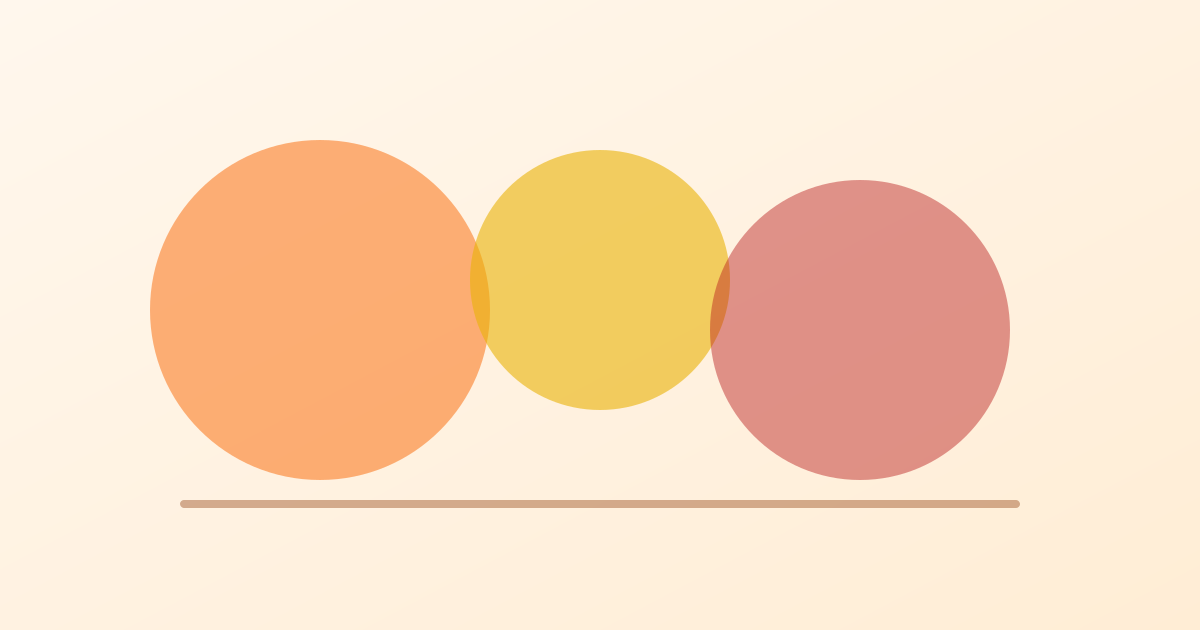
A warm, original palette illustration: three autumn shades, used consistently, can make a journal easier to read back.
Shorter entries, steadier mood tracking
Autumn is not the season for long, demanding entries. Shorter days and busier indoor routines mean a journal must be compact to survive. Fortunately, shorter entries often track mood more steadily, because they are easier to repeat.
Try a three-line autumn entry. Line one: the date and one mood word. Line two: one sentence about what shaped the day. Line three: one colour, or one word for what tomorrow could feel like. That is the whole entry. It takes about three minutes, and it can be written by lamplight without feeling like homework.
Mood tracking in autumn also benefits from a weekly glance, rather than daily analysis. Once a week, read your entries together and look for colour patterns. Did gold appear on days with walks and good sleep? Did rust cluster around long indoor stretches without a break? Those patterns are gentle clues, not verdicts, and they can suggest one small change for the next week.
If you want a little variety, the prompts on the journal prompts page include seasonal questions that suit autumn well, such as what felt cosy today, or what you noticed about the light. Use one prompt when you feel stuck, and ignore the rest. A prompt should open a sentence, not assign an essay.
Consistency matters more than length. An entry of three lines, written five days a week, gives a clearer autumn picture than a long essay written once and abandoned. This is the same principle behind Building a Mood Habit: small, repeated steps, kept kind, grow into a practice that lasts beyond a single season.
A weekly autumn rhythm
A rhythm is softer than a schedule. It suggests a shape for the week, without punishing you if a day looks different. Here is a simple autumn rhythm you can adapt.
On weekdays, write your three-line entry at the same anchor time. For many people, that anchor is just after dinner, when the house quiets down, or just before bed, with a lamp on and the phone away. Choose the anchor that already exists in your evening, rather than inventing a new one.
On one weekend day, take ten minutes for a slightly longer reflection. Read the week’s entries, note the colours that repeated, and write two or three lines about the week as a whole. You might write about a walk that helped, a conversation that lifted you, or a stretch of days that felt heavy. Keep it short. The weekend note is a summary, not a second journal.
Once a month, look at the whole month together. Autumn months change quickly: early autumn still feels like summer, late autumn feels close to winter. A monthly glance helps you see that shift in your own words and colours, and adjust your routine before winter arrives. Perhaps your writing time needs to move earlier as evenings darken, or your entries need to become even shorter.
You can keep these entries privately in the journal on this site, where they stay in your own browser, or in a paper notebook by your favourite chair. The place matters less than the rhythm. A journal kept in a warm, regular spot is a journal you will actually open.
Three worked examples
Here are three short autumn entries, in the three-line format, to show how little writing is needed.
Example one, a golden day: “Saturday, 12 September, evening. Mood: content. A slow walk through falling leaves and a long lunch with a friend made the day feel warm. Colour: gold.” This entry names two things that helped, so they can be repeated.
Example two, a rust day: “Wednesday, 23 September, evening. Mood: drained. I stayed indoors all day without a break, and the evening felt flat. Tomorrow I would like a short walk before dark.” The entry is honest, and it suggests one small, achievable step.
Example three, a green day: “Sunday, 4 October, morning. Mood: steady. Rain on the window, tea, and an unhurried morning made me feel grounded. Colour: deep green.” Notice how sensory details — rain, tea, slowness — carry the mood without extra explanation.
Over a month, entries like these build a seasonal picture. You can see which colours dominated, which activities kept appearing on good days, and which patterns repeated on heavy days. That picture is the real value of autumn mood tracking, and it comes from short entries, not long ones.
Common mistakes in autumn journaling
The first mistake is keeping a summer routine unchanged. A routine that worked in long, bright evenings may feel wrong in dark, cold ones. If your anchor time no longer fits, move it. Changing the time is not failing. It is adapting to the season.
The second mistake is writing too much because autumn feels reflective. Reflection does not require length. A three-line entry written honestly is more reflective than a page written out of obligation. If you have more to say on a particular day, write more, but keep the minimum small.
The third mistake is using too many colours. A palette of twelve shades looks pretty, but it is hard to remember what each one meant a month later. Three or four colours, used consistently, tell a clearer story than a rainbow with no key. If you add a colour, write down what it means on the same page.
The fourth mistake is reading autumn entries only for sadness. Shorter days can bring lower energy, but autumn entries also hold warmth, cosiness, and quiet pleasure. When you review a week, look for all of it, not only the heavy days. A balanced review gives a truer picture of the season.
The fifth mistake is treating art as a test. If you turn a mood into art, as in Art Journaling for Beginners, remember that the art is for expression, not exhibition. A rough shape in warm colours, made in five minutes, counts fully. You do not need skill, only honesty, and the gallery here is for inspiration, not comparison.
Frequently asked questions
When is the best time to journal in autumn? The best time is the time you will actually use. For many people, that is early evening, when the day is winding down but energy has not fully faded. Try one anchor for a week, and if it keeps slipping, try another. The entry matters more than the clock.
Do I need special supplies for autumn colours? No. A few coloured pens, or the digital tools on this site, are enough. Warm shades can come from a small palette you choose once and reuse, rather than from buying new materials every week.
What if my entries all look the same? That is useful information, not a problem. Similar entries may mean a steady season, or they may mean your format is too narrow. Try adding one new detail — a colour, an energy word, or a sentence about the light — and see whether the entries start to vary.
Can autumn journaling help me prepare for winter? It can help you notice what supports you before winter arrives. If walks, warm routines, and regular sleep appear often on steady days, you can protect those things as days grow darker. A journal does not predict winter, but it does show you what has helped so far.
Should I share my autumn entries? Only if you want to. A mood journal works best as a private record, because honesty needs privacy. You can share an artwork made from a mood, if that feels good, while keeping the written entries for yourself. Sharing is optional, never required.
Carrying autumn slowness forward
Autumn teaches a useful lesson for journaling in general: slower can be steadier. A short entry, a warm colour, and a regular evening anchor may not look impressive, but they survive real weeks. They survive busy days, tired days, and dark evenings, which is exactly when a record is most helpful.
As autumn deepens, let your routine change with it. Move the writing time earlier if needed. Shorten the entry further if evenings grow busier. Keep the colours warm and the expectations low. A journal that bends with the season will still be there in winter, and that continuity is worth more than any single perfect entry.
For more seasonal ideas, you can explore the blog for other guides, try the playful reflection in the mood quiz, or browse the full set of tools for palettes, prompts, and creative starting points. Each tool is optional. The core practice stays the same: one honest entry, most days, in colours that feel like the season you are in.

A cosy, original evening illustration: warm light, soft hills, and a journal kept close as the days shorten.
This article offers general information for creative reflection only. It is not medical advice, diagnosis, or treatment, and it is not a substitute for professional help. If you are struggling, please consider reaching out to a qualified professional or a trusted support service in your area.